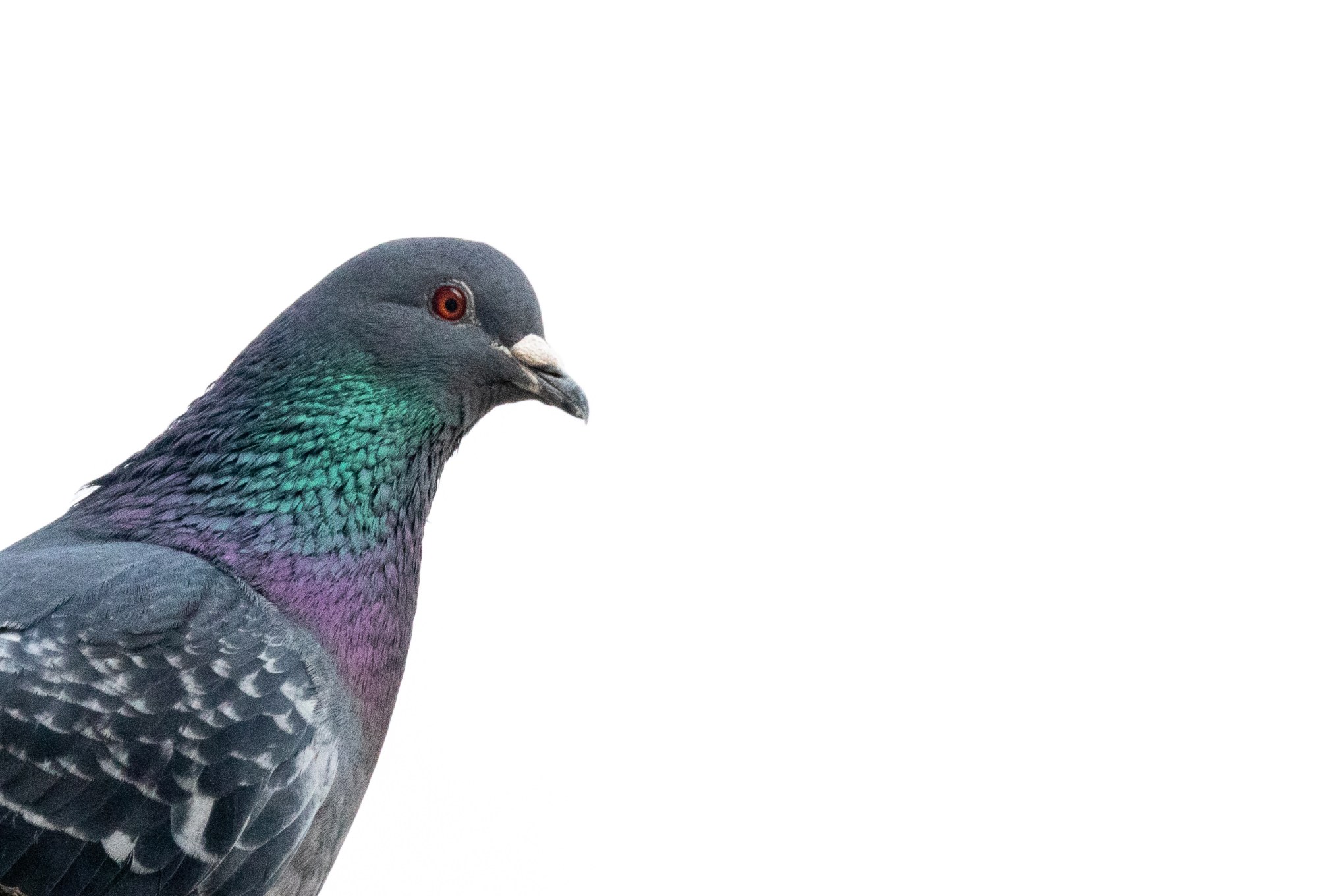
According to the Whitney Museum of American Art the “Positive space refers to the topic in an artwork. It includes areas of interest. These include a person’s face or figure in a portrait. They also include the objects in a still life painting. Another example is the trees in a landscape painting. Negative space is the background or the area that surrounds the focus of the work“.
The negative space photography concept is a very interesting tool to focus your attention on the main topic. It is worth to note the negative space very often comes together with the concept of minimalism.
The Rule of Thirds divides a photo into thirds, using two horizontal and two vertical lines. That way we get a grid with four intersection points. The rule states that you produce a much more powerful photo. You achieve this by positioning the most important elements of your image at these intersection points.
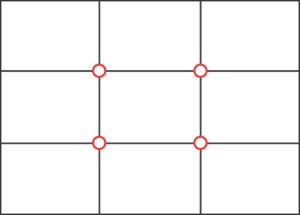
I briefly introduced the negative space and the rule of thirds. You are wondering how I applied them to my photo with the pigeon.
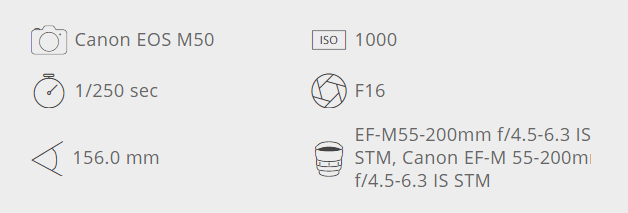
To create the negative space, I overexposed the blue colour of the sky. This made the background white and very clean. Regarding the rule of thirds, I placed the pigeon’s eye at the intersection of the first horizontal and vertical lines.
Discover more from BARTLOMIEJ PHOTOGRAPHY.
Subscribe to get the latest posts sent to your email.
